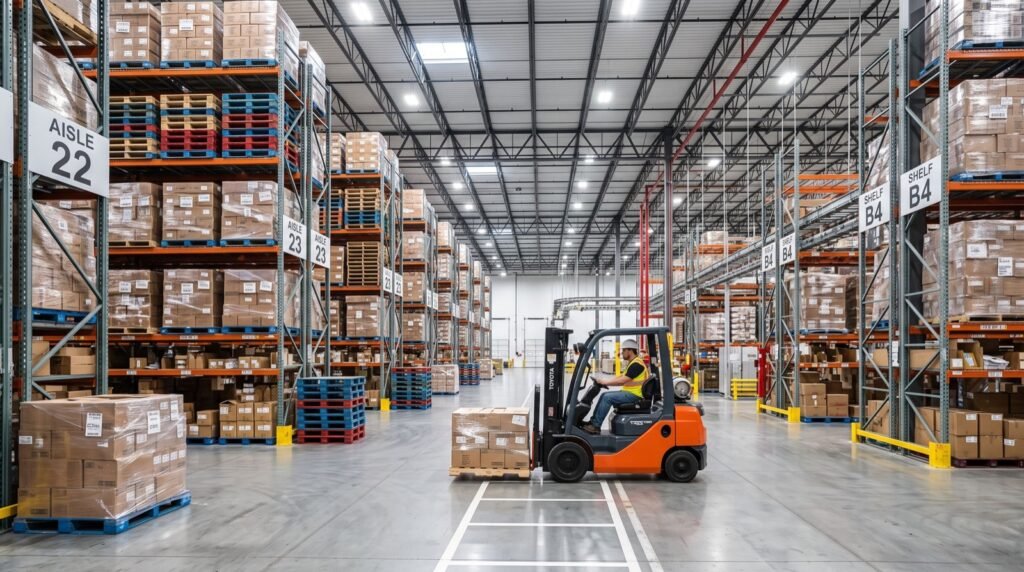
Dry Storage in Saudi Arabia: A 2026 Warehousing Guide for Growing Brands
Choosing the right dry storage in Saudi Arabia is one of the most underrated decisions a growing business makes. Get it right and your stock stays safe, your pick-and-pack speeds up, and your margins hold. Get it wrong and you pay for damaged goods, wasted square metres, and missed deliveries across Riyadh, Jeddah, and Dammam.
This guide breaks down what dry storage actually involves in 2026, how it differs from temperature-controlled options, and how to pick a warehouse partner that fits your product and your budget. Whether you move packaged food, electronics, textiles, or industrial supplies, the fundamentals below will save you real money.
What Dry Storage Means for Saudi Businesses
Dry storage keeps goods in a clean, ventilated, ambient environment without active refrigeration. The space stays protected from rain, dust, pests, and direct sun, but it is not chilled or frozen. For most packaged and non-perishable products, that is exactly what you need.
In the Kingdom, the summer heat makes even “ambient” more demanding than in cooler climates. A serious facility manages humidity and ventilation so that cardboard does not weaken, labels do not peel, and shelf-stable goods stay saleable. Professional Dry Storage providers design around these local conditions rather than treating Saudi warehouses like European ones.
Typical goods suited to dry storage include:
- Packaged and canned food, grains, and dry ingredients
- Beverages in sealed containers
- Electronics, appliances, and spare parts
- Textiles, apparel, and footwear
- Cosmetics and non-liquid personal care
- Packaging materials, paper, and promotional stock
Dry Storage vs Temperature-Controlled Storage
The single biggest cost lever in warehousing is temperature. Every degree of cooling adds energy, equipment, and monitoring costs. That is why smart operators split inventory: shelf-stable items go into dry space, and only the goods that truly need it go into cooled rooms.
Some products sit in a grey zone. Chocolate, certain cosmetics, and some pharmaceuticals survive ambient conditions most of the year but need help during peak summer. For those, a facility that offers both dry and Chilled Storage in Riyadh under one roof lets you move SKUs between zones without changing vendors.
| Factor | Dry / Ambient Storage | Chilled Storage | Frozen Storage |
|---|---|---|---|
| Typical temperature | Ambient, ~18–27°C | ~2–8°C | -18°C or below |
| Energy cost | Lowest | Moderate | Highest |
| Best for | Packaged, non-perishable goods | Dairy, fresh produce, some pharma | Meat, seafood, ice cream |
| Shelf life focus | Months to years | Days to weeks | Weeks to months |
Why Location Matters in Riyadh, Jeddah, and Dammam
Saudi Arabia’s three logistics hubs each play a distinct role. Jeddah, with the Islamic Port, handles the bulk of imported consumer goods on the Red Sea. Dammam connects to the Eastern Province and the wider Gulf. Riyadh sits at the centre of domestic demand and is the fastest-growing distribution market in the country.
Placing your dry storage close to the right gateway shortens the final mile and cuts transport cost. The national push under Vision 2030 to turn the Kingdom into a regional logistics hub, backed by investment tracked by the General Authority for Statistics, has pulled modern warehouse capacity toward all three cities. That competition is good news for tenants shopping for quality space.
How much space do you actually need?
Many first-time tenants over-rent. Before signing, map your real inventory profile:
- List your SKUs and their average on-hand quantity across a full year.
- Note seasonal peaks, such as Ramadan, back-to-school, and year-end.
- Calculate pallet positions, not just floor area, since racking height drives true capacity.
- Add a 15–20% buffer for growth and staging space.
A flexible provider lets you scale up for peak months and release space when demand cools, so you never pay for empty metres.
What to Look for in a Dry Storage Partner
Not all warehouses are equal. When you compare dry storage in Saudi Arabia, press vendors on the details that separate a modern 3PL from a bare shed.
- Inventory accuracy: real-time stock visibility through a warehouse management system, not spreadsheets.
- Security: 24/7 CCTV, access control, and fire suppression.
- Pest and humidity control: documented programmes, not occasional spraying.
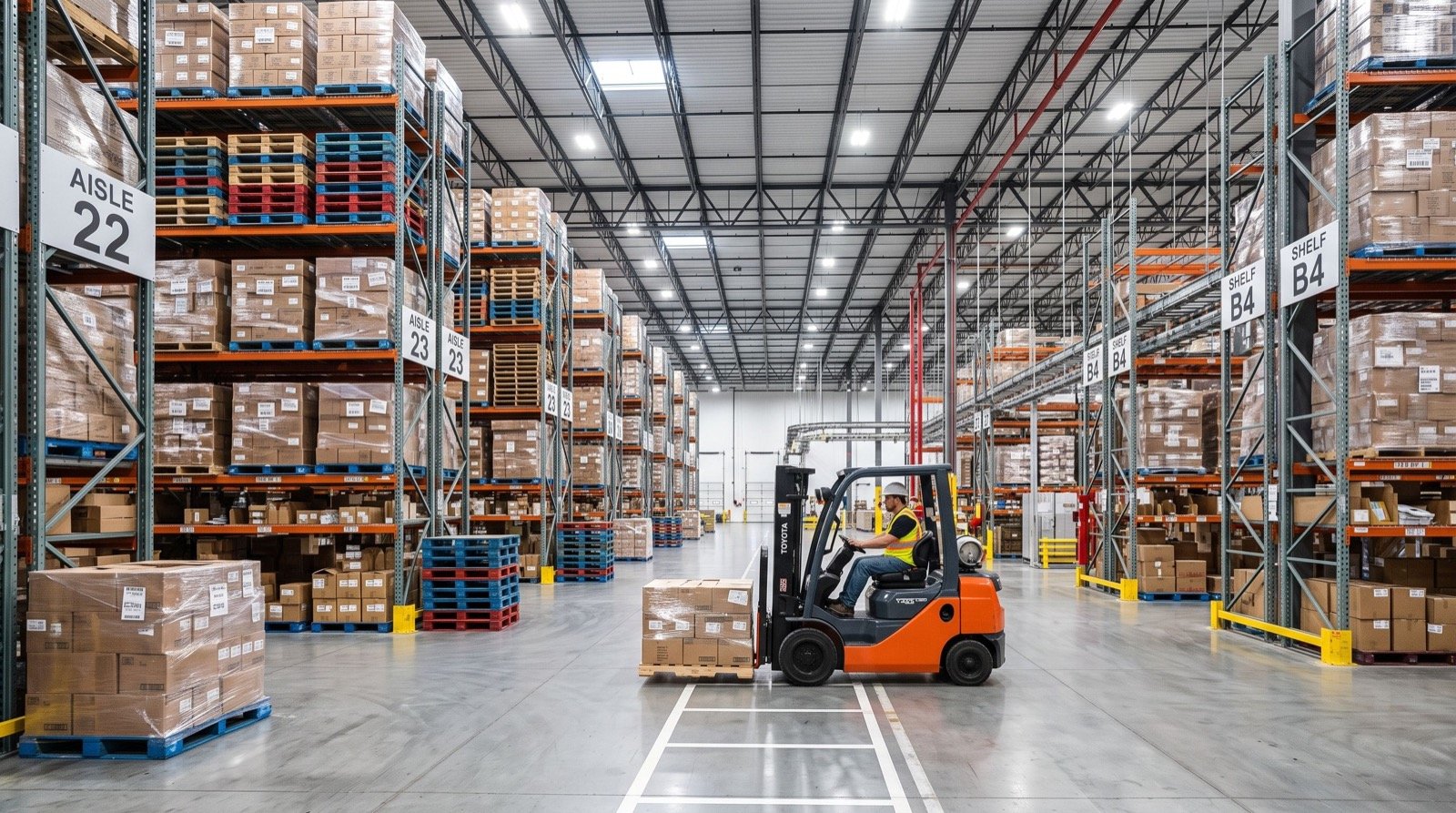
- Racking quality: certified industrial racking that uses vertical height safely.
- Value-added services: picking, packing, labelling, kitting, and returns handling.
- Clear contracts: transparent pricing with no surprise handling fees.
Ask for a site visit. A clean, well-lit, organised floor tells you more than any brochure. Reputable quality service providers will welcome the inspection and walk you through their processes openly.
One practical tip from the warehouse floor
Colour-code and barcode every inbound pallet on arrival, and insist your provider does the same. It sounds basic, but the warehouses that enforce this on day one are the ones with sub-1% pick errors a year later. Accuracy is a habit, not a feature you buy later.
Controlling Cost Without Cutting Corners
Dry storage is the cheapest tier, yet costs still add up through handling, minimums, and poorly used vertical space. To keep spend lean:
- Consolidate slow-moving SKUs into high-density racking.
- Negotiate handling rates separately from storage rates.
- Use a shared or multi-client facility if your volume is modest.
- Review your SKU mix quarterly and clear dead stock.
Frequently Asked Questions
What is the difference between dry storage and ambient storage?
The terms are often used interchangeably. Both describe non-refrigerated space kept at room temperature. In Saudi Arabia, good providers still manage ventilation and humidity so summer heat does not damage goods, even though the space is not actively chilled.
Is dry storage suitable for food products?
Yes, for shelf-stable and packaged food such as canned goods, grains, oils, and sealed beverages. Fresh, dairy, and frozen items need chilled or frozen rooms instead. A facility offering both tiers lets you store your full catalogue in one place.
How is dry storage priced in Saudi Arabia?
Pricing usually combines a storage charge per pallet or per square metre with separate handling fees for inbound, outbound, and value-added work. Always confirm minimum terms and whether rates change seasonally before committing.
Can I scale my storage space up and down?
With a flexible 3PL, yes. Shared and on-demand warehousing let you add pallet positions during peak seasons and release them afterward, which protects cash flow for growing brands.
Conclusion
Smart dry storage in Saudi Arabia is about matching each product to the right environment, placing inventory near the right hub, and partnering with an operator who treats accuracy and transparency as standard. Split your catalogue sensibly, keep only what needs cooling in cooled rooms, and audit your SKU mix regularly.
Ready to tighten up your warehousing in 2026? Compare a provider that offers flexible dry and temperature-controlled space under one roof, book a site visit, and start storing smarter today.