Honeywell Vuquest 3320g: 5 Retail Scanning Wins for 2026
Speed at the counter starts with a scanner that never makes you scan twice. The Honeywell Vuquest 3320g has become a quiet favourite in Pakistani retail because it reads damaged, on-screen and hard-to-reach barcodes on the first pass — and in 2026 that reliability is worth real money at a busy till. This is a practical, experience-led buyer’s guide, not a spec sheet.
We have set up scanners across supermarkets, pharmacies and quick-service counters in Karachi and Lahore, and the same lesson repeats: the cheapest scanner is rarely the fastest. Here is what actually matters when you choose one.
What makes a great retail scanner in 2026?
Modern retail throws mixed barcodes at every till — printed labels, phone screens showing loyalty codes, and crumpled receipts. A capable area-imager like the Honeywell Vuquest 3320g handles all three without the operator twisting the item to find the sweet spot. That single trait removes the most common cause of counter slowdown.
Barcode standards themselves keep evolving, and industry body GS1 continues to push 2D codes for traceability and richer product data. A scanner that only reads 1D barcodes is already behind — future-proofing means buying an imager, not a laser.
1D laser vs. 2D area imager
- 1D laser — cheap, but struggles with screens and 2D codes.
- 2D area imager — reads any code, from any angle, including phone displays.
- Hands-free mode — a stand lets staff swipe items without picking up the gun.
- Durability — drop resistance matters on a hard tiled counter.
5 scanning wins you can measure
These are the outcomes retailers report after switching to a fast hands-free imager, ordered by how soon they appear:
- Faster checkout — first-pass reads cut seconds off every item.
- Fewer manual entries — no more typing codes when the beam fails.
- Loyalty-code capture — reads customer phone screens instantly.
- Lower staff strain — hands-free presentation mode saves wrists.
- Cleaner inventory — accurate scans mean accurate stock counts.
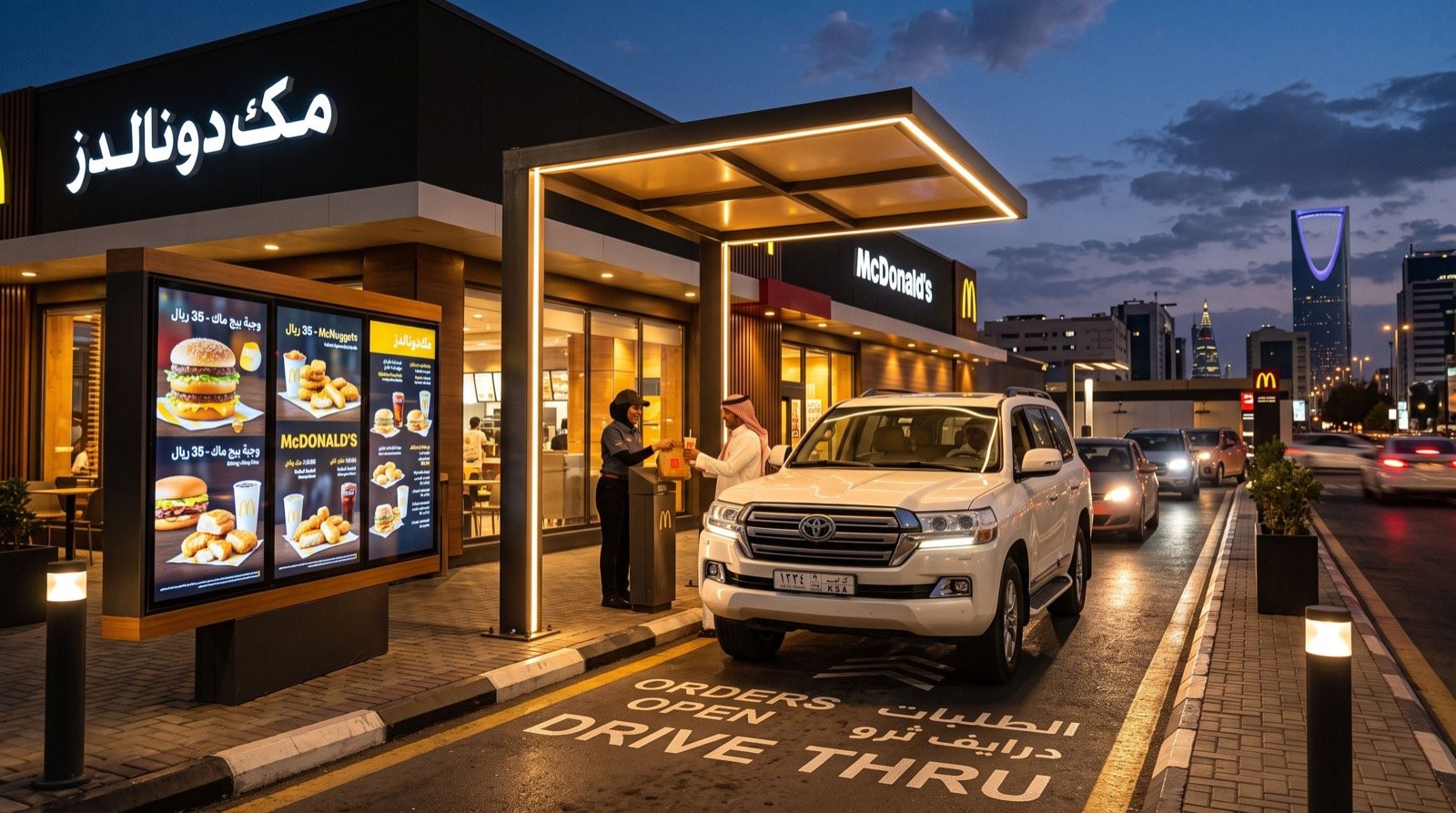
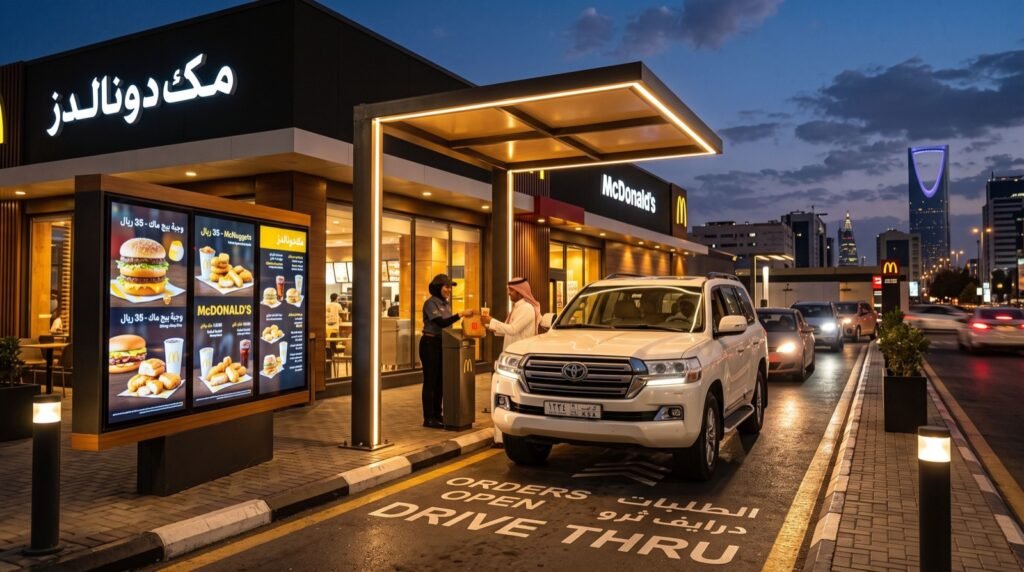
For sites standardising on proven hardware, the Honeywell Vuquest 3320g is a sensible default because it balances speed, 2D capability and a hands-free stand at a fair price. And for operators who also run a lane, pairing counter scanning with a robust HME drive thru in pakistan setup keeps both the till and the window moving in sync.
How the Vuquest 3320g compares
Buyers usually weigh the 3320g against a basic 1D laser and a premium wireless imager. The table lays out the trade-offs.
| Feature | Basic 1D Laser | Vuquest 3320g (2D) | Premium Wireless |
|---|---|---|---|
| Reads phone screens | No | Yes | Yes |
| 2D / QR codes | No | Yes | Yes |
| Hands-free stand | Optional | Included | Cradle |
| Cost | Low | Mid | High |
| Best for | Tiny shops | Most retail counters | Warehouse mobility |
Why “mid-range” is usually the smart buy
Tiny shops can survive on a 1D laser, and warehouses may need wireless roaming. But for the vast majority of fixed retail counters, a corded 2D imager hits the sweet spot: it reads everything, needs no charging, and costs far less than a wireless unit you do not actually move around.
Setting it up for maximum speed
Hardware is only half the story. Configure presentation mode so the scanner reads automatically when an item enters its field — staff should not have to press a trigger for every product. Then tune the beep volume so cashiers get clear feedback in a noisy shop.
Integration matters too. The scanner must map cleanly to your POS so a scan populates the sale instantly. When you source from trusted professionals, that POS mapping and staff training come bundled, which saves days of trial and error.
An original tip: dedicate one scanner per till
Sharing a scanner between two registers feels thrifty but creates a bottleneck at peak. A dedicated, permanently mounted imager per till pays for itself in the queue time it saves during the evening rush.
Scanning across the whole store, not just the till
A good imager earns its keep well beyond checkout. Stock takes finish faster when staff can scan shelf labels on the first pass. Goods-in verification catches wrong deliveries before they hit the floor. And price audits — matching shelf tags to POS prices — become a quick walk-through instead of a manual chore.
For pharmacies in Pakistan, accurate scanning also underpins batch and expiry tracking, which protects both customers and compliance. The same device that speeds the morning rush quietly strengthens your entire inventory backbone.
2D codes are taking over
Retail is steadily migrating from the old 1D barcode to richer 2D symbols that carry batch, expiry and origin data. A scanner locked to 1D will need replacing sooner than you think, so buying a 2D imager today is simply cheaper over its lifetime. It is future insurance, not a luxury.
Total cost of ownership over five years
Sticker price is the wrong number to fixate on. A cheap laser that misreads phone screens forces manual entry dozens of times a day, and those lost seconds — plus the mis-keys they cause — dwarf the few thousand rupees you saved at purchase. Reliability is the real economy.
- Durability — fewer replacements from counter drops.
- Fewer manual entries — less shrink and fewer pricing errors.
- Staff time saved — the biggest hidden cost of a slow scanner.
- Future readiness — no forced upgrade when 2D becomes standard.
Add these together across five years and the mid-range imager almost always wins. The fastest-scanning store on the block is rarely the one that bought the cheapest gun — it is the one that counted the real cost.
Frequently Asked Questions
Is the Honeywell Vuquest 3320g good for phone-screen barcodes?
Yes. As a 2D area imager it reads codes off phone and tablet screens reliably, which is essential for loyalty apps, e-tickets and mobile coupons in 2026 retail.
Does it work hands-free?
It does. The included stand enables presentation mode, so staff can swipe items past the scanner without picking it up — faster and easier on the wrists during long shifts.
Will it connect to my existing POS?
In almost all cases, yes. It behaves like a keyboard input by default and maps to standard POS software; a proper installer will configure prefixes and suffixes for a clean integration.
Is a corded scanner really better than wireless?
For a fixed counter, usually yes. Corded imagers never need charging and cost less, while wireless only earns its premium when staff must physically roam, such as in a stockroom.
The verdict
If you run a fixed retail counter in Pakistan, the Honeywell Vuquest 3320g is one of the safest scanning choices you can make in 2026 — fast, 2D-ready and hands-free out of the box. Pair one per till with a well-integrated POS, and pair the counter with a solid drive-thru if you run a lane. Get the scanning right, and every other queue in your store gets shorter too.