Online Language Classes: How to Actually Become Fluent in 2026
Online language classes have quietly replaced the dusty classroom and the shelf of unopened textbooks. In 2026, a learner in Islamabad can chat with a native speaker, drill grammar with an app, and rehearse a job interview in a second language, all before lunch. The barrier is no longer access. It is method.
Most people who “fail” at languages did not lack talent. They lacked a system. This guide breaks down how online classes work best, why speaking early beats memorizing endlessly, and how to build a routine that carries you from stumbling beginner to confident conversationalist.
Why Online Language Classes Work Better Than Self-Study
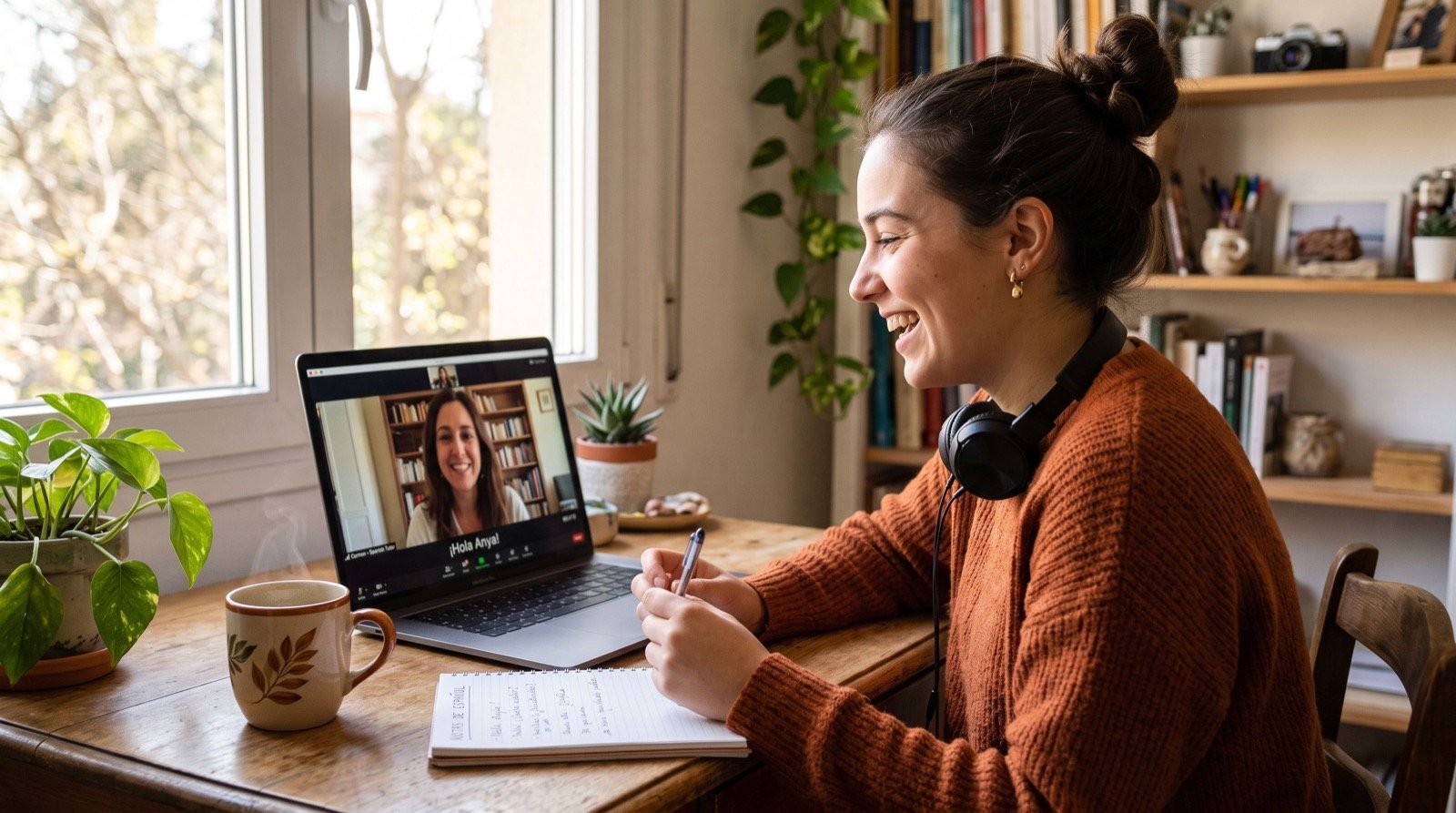
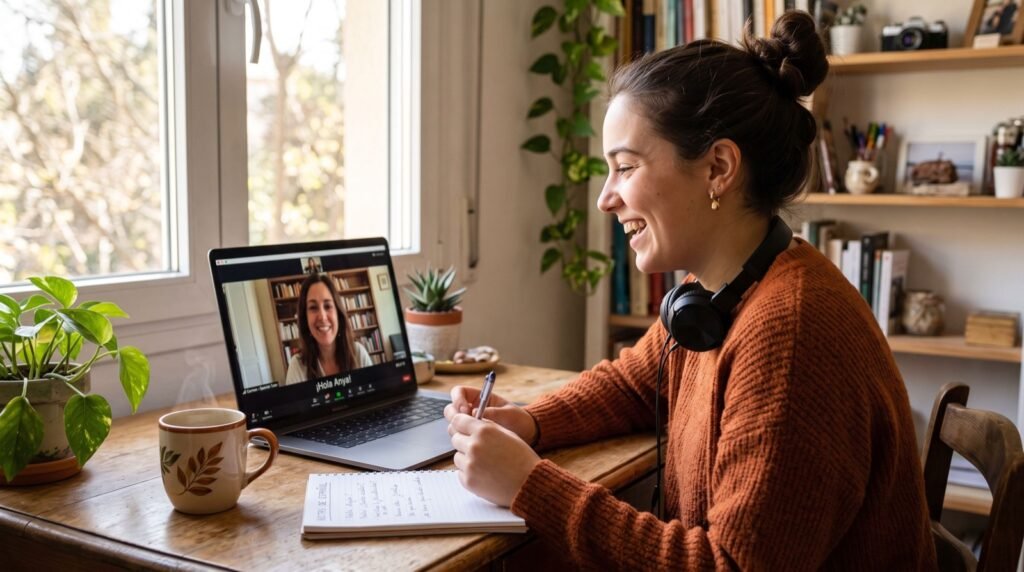
Apps are great for streaks and vocabulary. They are terrible at making you speak under pressure. That gap is exactly where a live tutor earns their keep. Real conversation forces recall, correction, and confidence in a way no flashcard can.
Structured online classes also solve the motivation problem. A scheduled session with a real person creates accountability. You show up because someone is waiting. That single habit is worth more than any premium subscription.
Feedback closes the loop. A tutor hears your mistakes in real time and fixes them before they harden into bad habits. If you want to online language classes that combine live practice with a clear curriculum, you get the best of both worlds.
What Makes a Language Class Effective?
- Regular speaking time from the very first lesson.
- Personalized correction, not generic worksheets.
- Content tied to your real goals, whether travel, work, or exams.
- A measurable path from one level to the next.
The Speaking-First Approach
Traditional teaching front-loads grammar. You memorize rules for months before you dare speak. That order is backwards for most learners. Speaking early, even badly, accelerates everything else.
When you speak from day one, your brain builds real associations. Words attach to situations, not to spreadsheet columns. Mistakes become data, and each one you fix sticks harder than a rule you merely read.
This is why immersion works so well. You do not need to fly abroad to get it. A focused online session with a patient tutor recreates the pressure and reward of real conversation in a safe space.
A Simple Daily Practice Framework
- Warm up (5 min): review yesterday’s new words aloud.
- Input (10 min): read or listen to native content at your level.
- Output (15 min): speak or write using what you just learned.
- Review (5 min): note errors your tutor flagged and correct them.
Choosing the Right Language and Level
Motivation beats logic when picking a language. The one you feel excited about is the one you will stick with. That said, some languages open more doors for study and work than others.
| Language | Best For | Difficulty for English Speakers | Time to Conversational |
|---|---|---|---|
| English | Global work, higher study | Baseline | 3-6 months polish |
| Arabic | Regional business, religion | High | 12-18 months |
| French | Diplomacy, travel | Moderate | 6-9 months |
| Mandarin | Trade, tech | Very high | 18-24 months |
Estimates like these draw on frameworks used by institutions such as the U.S. State Department, which groups languages by the study hours a motivated learner typically needs. Treat them as a compass, not a contract.
How Long Does It Take to Become Fluent Online?
Fluency is a spectrum, not a finish line. Conversational comfort in a European language can arrive within six to nine months of consistent, speaking-heavy practice. Deeper, professional fluency takes longer and never truly stops.
The variable that matters most is frequency. Thirty focused minutes daily beats a three-hour session once a week. Little and often keeps the language alive in your head and prevents the reset that comes from long gaps.
Choosing a provider deserves the same care you would give when hiring trusted professionals for any serious job. Check credentials, read honest reviews, and confirm the teaching method fits how you learn.
Combining Language Study With Other Goals
Language learning rarely happens in isolation. Students often pair it with exam prep or academic coaching. Working with best tutors in Islamabad lets families bundle language classes alongside math, science, or entrance-test preparation under one trusted roof.
That integration saves time and keeps standards consistent. One provider, one progress dashboard, one point of contact. For busy households, that convenience is often the deciding factor.
Common Mistakes That Slow Learners Down
Even motivated learners sabotage themselves without realizing it. The most common mistake is chasing perfection. Waiting until a sentence is flawless before speaking guarantees you will barely speak at all. Fluent people make mistakes constantly and simply keep going.
Another trap is passive input. Binge-watching shows in your target language feels productive, but without active recall it barely moves you forward. Balance listening with speaking and writing so knowledge becomes usable, not just familiar.
Inconsistency is the silent killer. A week of intense study followed by a month off resets much of your progress. Protect a small daily habit above all else, because the brain rewards frequency far more than occasional intensity.
Finally, learners often ignore feedback. If a tutor corrects the same error three times and you keep repeating it, the correction is not sinking in. Keep an error log, review it weekly, and watch those recurring mistakes finally disappear.
Frequently Asked Questions
Are online language classes better than apps?
They complement each other. Apps build vocabulary and streaks, but they cannot replicate real conversation or personalized correction. Live online classes provide the speaking practice and feedback that turn passive knowledge into active fluency. Use apps for drilling and classes for speaking.
How many hours per week should I study a language?
Aim for short daily sessions rather than one long weekly block. Around 30 to 45 minutes a day, mixing live classes and independent practice, produces steady, lasting progress. Consistency matters far more than occasional intensity.
Can I learn a language online as a complete beginner?
Absolutely. A good tutor starts with survival phrases and simple conversation, building complexity gradually. Beginners often progress faster online because they get individual attention and immediate correction from lesson one.
What if I feel too shy to speak?
Shyness is normal and fades with practice. A patient tutor creates a low-pressure space where mistakes are expected and welcomed. Every expert speaker was once a nervous beginner; the only cure is gentle, repeated exposure.
Final Thoughts
Online language classes have made fluency more achievable than at any point in history. The tools are excellent, but the method decides your success. Speak early, practice daily, and get real feedback from a skilled tutor.
Pick a language you love, commit to a simple routine, and trust the process. In 2026, the distance between you and a new language is not talent or money. It is a consistent habit and the right guide. Start this week and future you will thank you.